Mitsubishi Heavy Industries Engages Design 4 Structures for Integrated Engineering on Carbon Capture Project
Design 4 Structures is supporting the development of the UK’s carbon capture facility at Heidelberg Materials’ cement plant in Padeswood, North Wales. The project represents a significant step in reducing emissions from cement production and forms part of the wider HyNet North-West programme supporting the UK’s net-zero ambitions, embracing D4S culture to enhance environmental sustainability.
The facility will enable the production of evoZero® cement at commercial scale, capturing around 800,000 tonnes of CO₂ each year and eliminating almost all emissions from the Padeswood plant. Captured CO₂ will be compressed and transported via underground pipeline for permanent storage beneath the seabed in Liverpool Bay, delivering long-term environmental and economic benefits for the region.
What carbon capture facilities mean for industry
Carbon capture facilities are transforming how heavy industry can operate in a low-carbon economy. Sectors such as cement, steel and chemicals produce significant emissions that cannot be eliminated through electrification or renewable energy alone, as much of the carbon is released through industrial processes themselves. Carbon capture enables these emissions to be removed at source while maintaining production capacity, making it one of the few viable pathways to decarbonise essential industries. At scale, capture plants also form part of wider regional infrastructure networks, linking capture, transport and permanent storage, helping industry meet net-zero targets without reducing output.
This shift is also driving greater emphasis on integrated, buildability-led delivery, where early coordination between engineering, detailing and construction reduces re-work, minimises material waste and supports more efficient, inherently sustainable project outcomes, principles that align closely with Design 4 Structures’ approach.
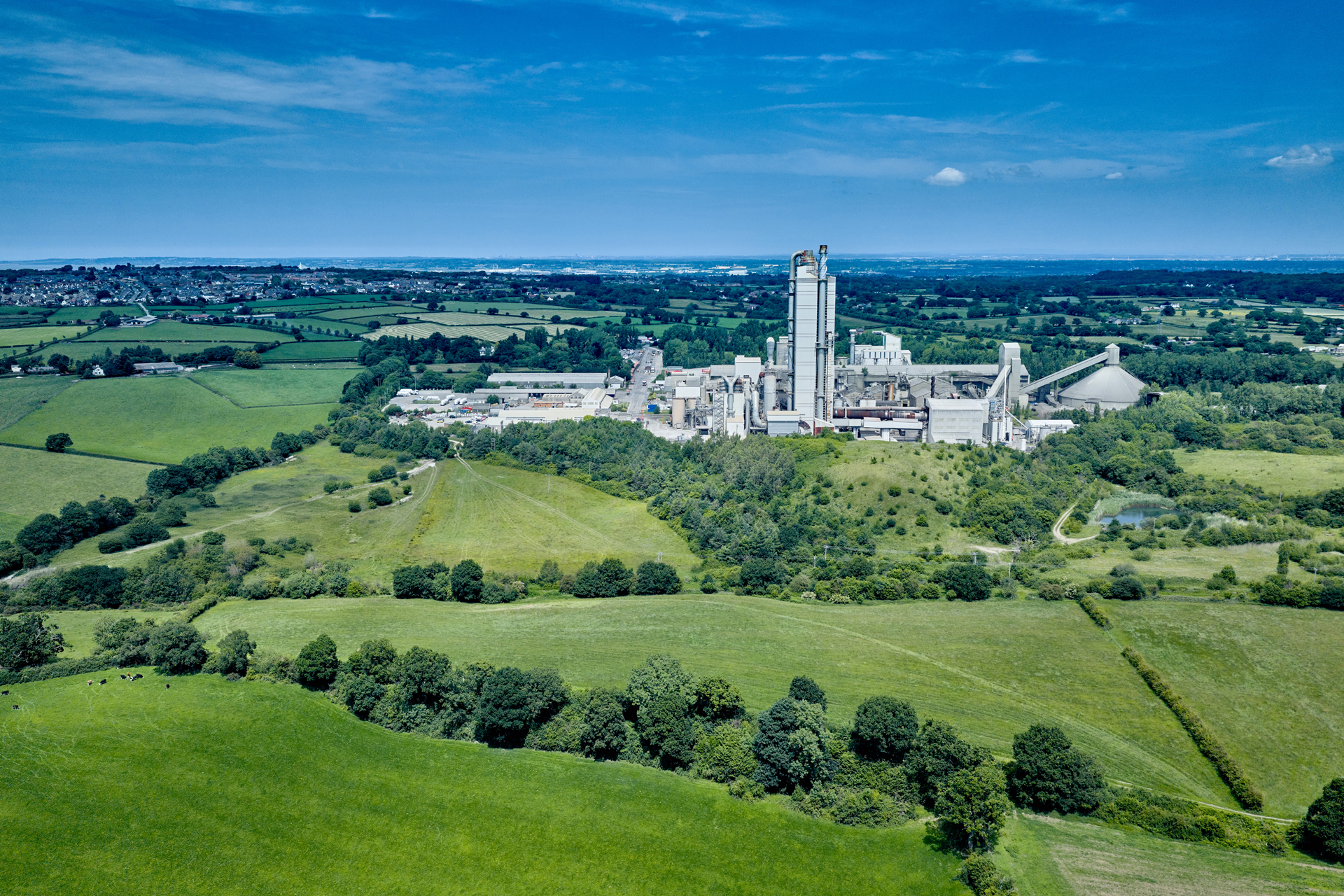
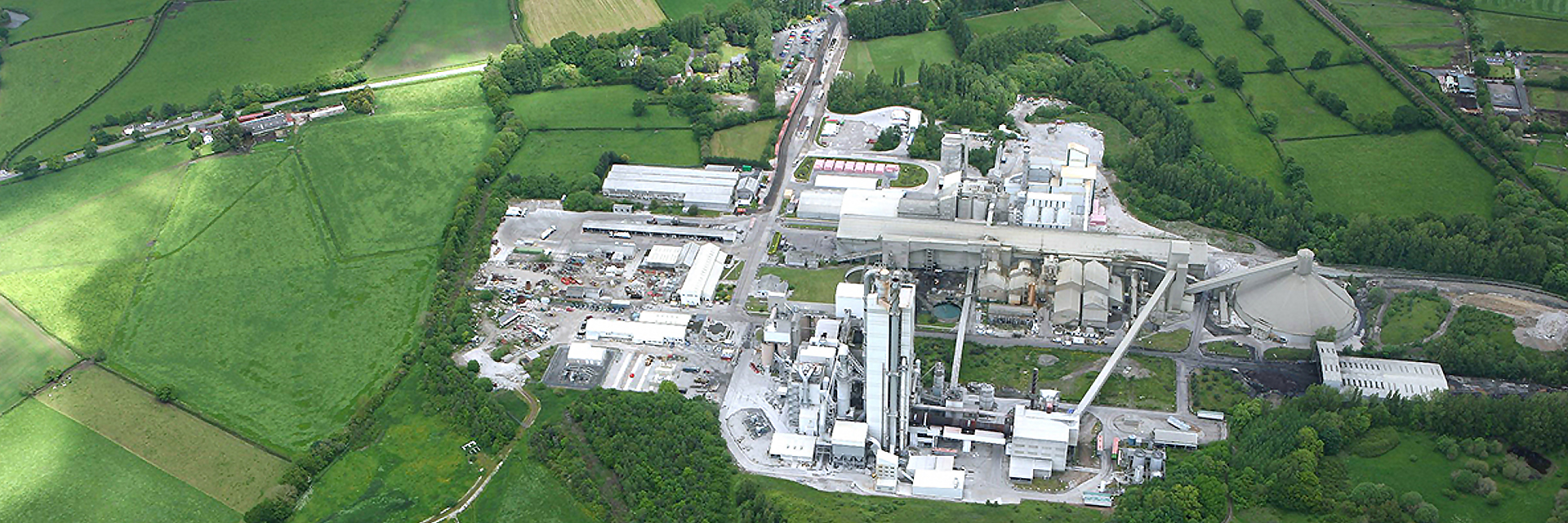
The Padeswood Cement Works in Flintshire, Wales. Image Credit: Heidelberg Materials
Working within an EPCM-led delivery team
Design 4 Structures has been engaged by Mitsubishi Heavy Industries, Ltd. (MHI and is working as part of the wider multidisciplinary team led by MHI and Worley as EPCM contract partners.
Within this EPCM-led (Engineering, Procurement and Construction Management) framework, our role is focused on designing the steel structure of the Absorber, Quencher and Gas Wash Tower with a MMC strategy and up to a DfMA level of detail. Projects of this nature demand careful coordination between permanent works, temporary works, and specialist equipment – often within constrained sites and live operating environments.
Experience that directly informs this project
Design 4 Structures brings a track record of supporting complex infrastructure and industrial projects where close alignment between structural engineering, connection detail design and construction modelling is critical to successful delivery. This capability has been a defining part of our work on major schemes, including Hong Kong International Airport and Lucent W1, where engineering and detailing were developed side by side to manage interfaces, improve buildability, maintain programme and cost certainty.
That experience is directly relevant to projects of this scale and complexity, where heavy steel structures, process-led layouts, and installation sequencing must be considered early to avoid risk later in the workflow.
While the delivery strategy for the Padeswood project will continue to evolve under MHI and Worley’s EPCM leadership, Design 4 Structures’ involvement reflects our established ability to operate effectively in this space, bringing together engineering excellence, construction insight, and digital modelling to support informed decision-making as designs develop.
Project leadership and technical expertise
From l to r; Francesco Pisciotti, Mauro Barosio, Simon Chatwin, Elita Nteri and Gustaf Granstrom-Steer
The Design 4 Structures project team is headed up by Francesco Pisciotti, Associate Director, who brings specific delivery expertise in heavy steel structures and complex industrial environments.
Francesco is supported by Mauro Barosio, Technical Director, whose experience includes leading structural innovation on major projects across global markets.
Construction modelling leadership is provided by Simon Chatwin, who spearheaded D4S’s involvement on the Hong Kong International Airport project and played a key role in aligning engineering intent with detailed modelling and construction delivery.
Construction engineering leadership is provided by Elita Nteri, technical expert on major projects, primarily focusing on steel structure connection details.
Overall engineering quality assurance is provided by Director of Engineering, Gustaf Granstrom-Steer, ensuring technical quality, consistency, and alignment with the wider project objectives as the design progresses.
Supporting certainty on complex, process-led projects
By combining structural engineering expertise with construction modelling insight, Design 4 Structures supports project teams in identifying interfaces early, improving buildability, and reducing coordination risk before work reaches site. On projects such as Padeswood, where sustainability targets, programme certainty, and technical integration are all critical, this approach helps create clearer pathways from concept through to construction, supporting confident delivery decisions at each stage.
If you’d like to understand more about our role on this scheme, or to discuss how we can support you with your industrial developments or heavy steel structures, please contact us directly at hello@design4structures.com